
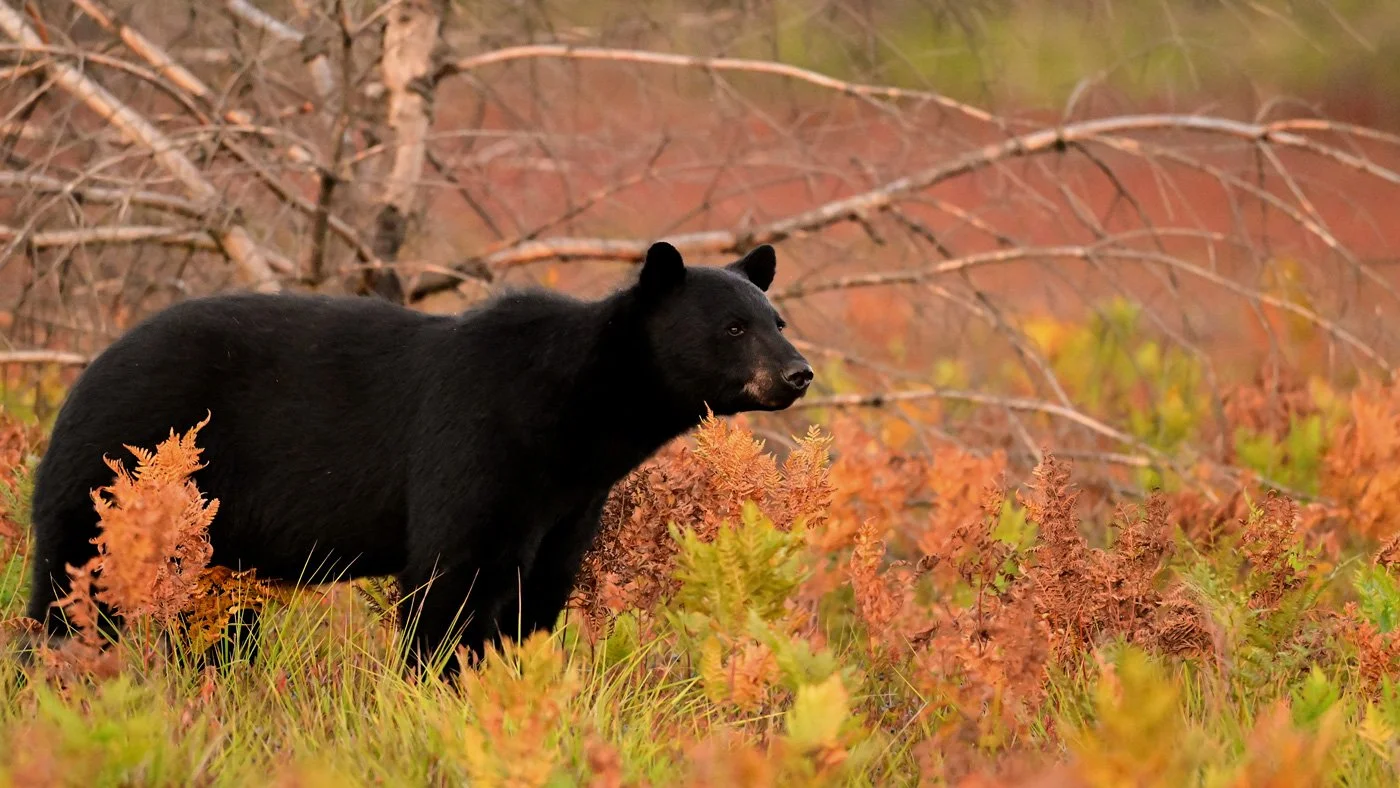
North Fork Canyon is Bear Country
Black bears have lived in this canyon far longer than we have and are an important part of our ecosystem. Here's how to stay safe as we keep bears wild.
Why Bears Matter
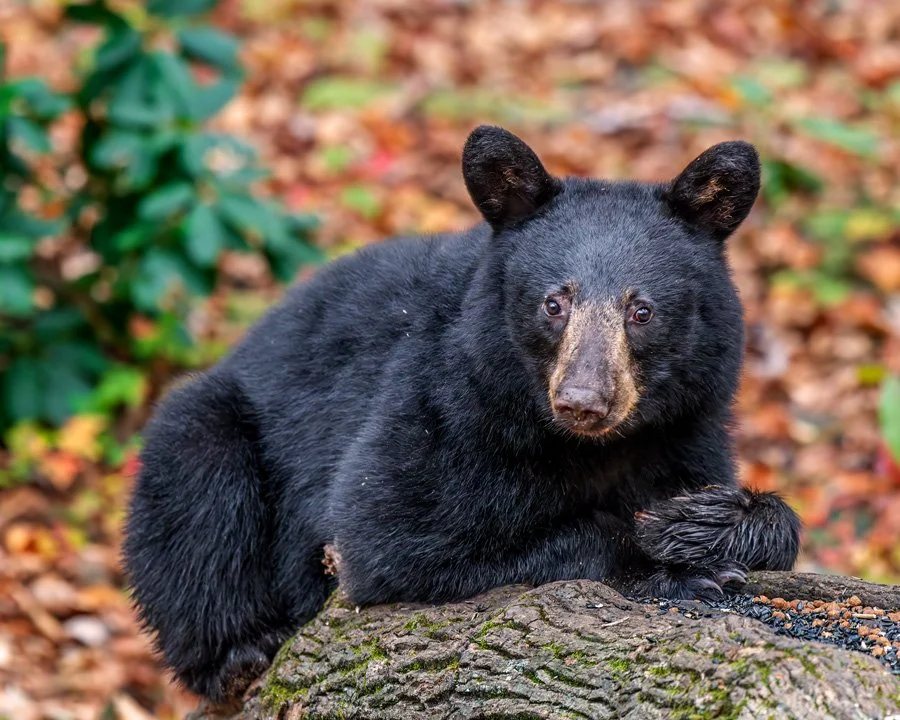
Bears are one of the hardest-working species in the North Fork. They need a lot from a landscape: plenty of native food, cover to rest in, and room to roam for miles. When bears are doing well here, it tells us the whole canyon is healthy.
They plant the canyon. Bears eat chokecherries, serviceberries, and other native fruit, then spread the seeds across the slopes as they roam.
They recycle nutrients. Tearing open rotting logs, digging for insects, and scavenging carcasses all help return nutrients to the soil.
They signal a healthy ecosystem. Bears need large areas of connected, native habitat. Where bears thrive, many other species do too.
That's why SNA's habitat restoration work matters for bears. Every patch of invasive weeds we replace with native plants helps bears find food where they belong, and not in our neighborhoods.
A Fed Bear, is a Dead Bear
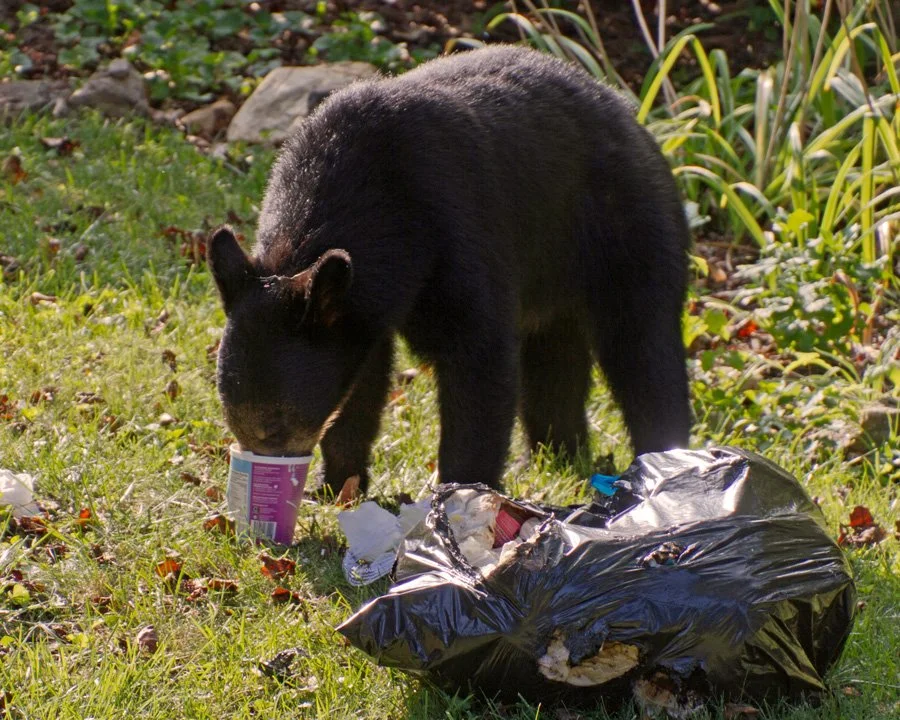
When a bear gets food from people, like trash, pet food, bird seed, or a cooler left out, it learns to come back. Over time it loses its natural fear of people, and bears that become a danger are often removed for public safety.
Keeping bears wild is in our hands. Secure your attractants, look out for your neighbors, and help keep the North Fork wild.
IF YOU SEE A BEAR
Most black bears want nothing to do with people. Your goal is to give the bear a calm, clear chance to leave.
Stay calm and keep your distance. Never approach a bear, even for a photo. Keep children and dogs close to you.
Don't run or climb a tree. Black bears can run up to 35 mph and are excellent climbers. Running can trigger a chase.
Stand your ground. Make yourself look big, speak in a firm voice, and make sure the bear has a clear escape route. Don't lie down or play dead.
Use an air horn or have bear spray ready. Bear spray is about 92% effective at deterring bear attacks. Carry it where you can reach it, and know how to use it so it doesn’t become a danger to yourself or those nearby.
If a black bear attacks, fight back. Use bear spray, rocks, sticks, or anything you have, and don't give up. Black bears are the only bears in Utah, and fighting back is the right response to a black bear. Report any aggressive encounter to the Utah Division of Wildlife Resources.
Bears follow their noses. If your property doesn't offer an easy meal, a bear will usually move on. These steps make a real difference:
Secure your trash. This is the #1 way we can keep bears from becoming dangerous. Keep cans in a garage, or use a certified bear-resistant container.
Take down bird feeders while bears are active (spring through late fall). Seed and suet are high-calorie magnets.
Feed pets indoors and never leave pet food or livestock feed outside.
Clean and store grills after each use, including the grease trap.
Pick ripe fruit promptly and clean up fallen fruit from the ground.
Lock ground-floor doors, windows, and car doors. Bears can open lever-style handles and unlocked cars.
Consider motion-activated lights, alarms, or electric fencing around gardens, compost, or chicken coops.
Never feed bears, intentionally or by accident.
Tell your neighbors when you see bear activity. One unsecured house can draw a bear into the whole neighborhood.
Use the BearWise home checklist to walk your property and spot anything that might attract a bear: https://bearwise.org/